

Listen to the article:
If you’re looking for a fun, accessible way to introduce students to computer science, the Hour of Code is a perfect starting point. It’s a one-hour tutorial designed to demystify coding, inspire creativity, and provide students with a sense of accomplishment. Whether you’re a teacher, a parent, or just someone interested in trying out programming, Hour of Code offers a great way to dip your toes into the world of computer science without feeling overwhelmed.
Why Start with an Hour of Code?
The beauty of the Hour of Code is its simplicity. You don’t need any prior experience to get started, and the activities are designed to be engaging and beginner-friendly. This makes it an excellent tool for students of all ages, allowing them to explore the logic and problem-solving skills behind coding while having fun.
For students, coding can seem intimidating at first. However, through these one-hour tutorials, they quickly realize that coding is both achievable and enjoyable. By the end of the session, they will have created something they can be proud of—whether it’s an animated scene, a simple game, or an interactive project. The Hour of Code provides immediate results, helping to boost confidence and interest in computer science.


A Great Introduction to Computer Science
One of the primary goals of the Hour of Code is to introduce students to the world of computer science in an approachable and exciting way. Through hands-on projects, students see that coding isn’t just about writing lines of code—it’s about problem-solving, creativity, and building something from scratch.
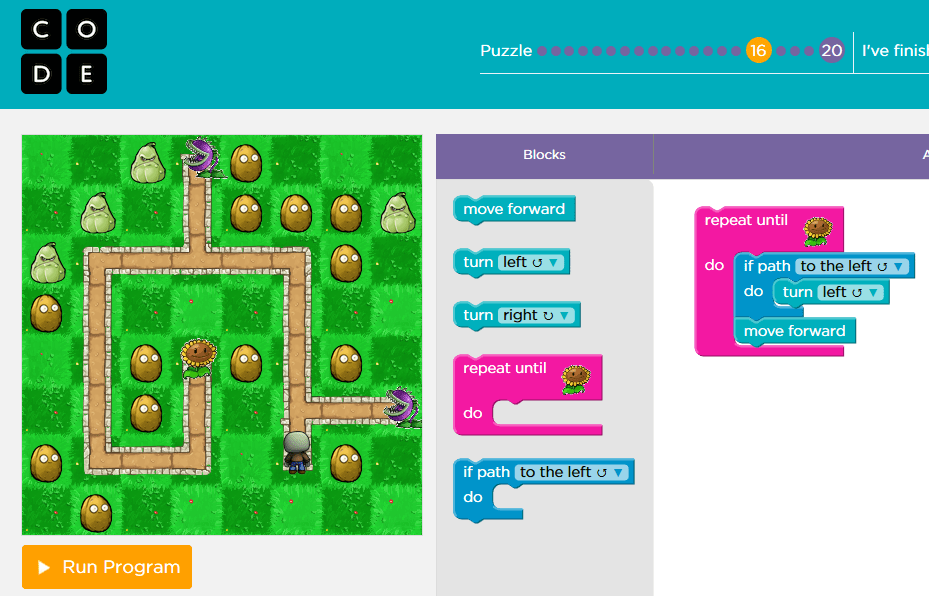
For example, students might start with a project that involves guiding a character through a maze and controlling movement with basic logic such as if-else statements and loops. These fundamental concepts are building blocks for all programming languages, and by using them in a real-world context, students begin to see how coding is used to solve problems and create interactive experiences.
Beyond the technical skills, the Hour of Code promotes critical thinking, perseverance, and collaboration. Students quickly learn that there are multiple ways to solve a problem, encouraging exploration and innovation.
Testing Out a New Programming Language
For educators or curious learners, the Hour of Code also serves as an excellent way to test out a new programming language. Many Hour of Code tutorials feature different languages, from visual block-based coding for beginners to text-based programming in JavaScript, Python, or P5.js for more advanced learners. It allows students to experiment with different languages and find the one that feels most intuitive to them.
If you’ve never coded before, starting with block-based languages like Scratch is a great way to understand basic programming logic without the need to memorize syntax. For more advanced users, tutorials in Python or JavaScript can provide a deeper dive into coding, demonstrating how these languages can be used to build projects.
I love using P5.js, a JavaScript library for creative coding, to teach students how to create interactive art and animations. Through an Hour of Code, students can experiment with this language, learning how to draw shapes, control motion, and build interactive scenes with just a few lines of code.

How to Get Started with an Hour of Code
Getting started with an Hour of Code is incredibly easy. You can access free, ready-to-use tutorials on the official Hour of Code website, which offers lessons in a wide variety of coding environments. Here are some tips for getting started:
- Choose the Right Tutorial: Depending on your experience and interest, select a tutorial that aligns with your skill level. There are tutorials for absolute beginners, as well as for those with some coding knowledge.
- Set Up Your Space: Make sure you have access to a computer or tablet with an internet connection. Most tutorials can be done entirely online, and there’s no need for special software.
- Follow Along: Each tutorial is structured to guide you step-by-step. Don’t worry about making mistakes—coding is all about experimenting and learning through trial and error.
- Collaborate: If you’re working with students or a group, encourage collaboration. Students can learn a lot from each other, and problem-solving together helps reinforce their learning.
- Reflect: After completing the tutorial, take some time to reflect on what you’ve learned. What coding concepts did you encounter? What challenges did you overcome? This reflection will help solidify the skills you’ve gained.
Take the Next Step
The Hour of Code is just the beginning. Once students have completed their first coding tutorial, they often want to learn more! The curiosity sparked during that first hour can lead to a deeper interest in programming, inspiring students to take on more complex projects.
For educators, the Hour of Code can be a way to introduce computer science into your curriculum or test out new teaching tools. It’s a low-pressure environment where students can explore coding at their own pace. Additionally, for anyone interested in learning a new programming language, it’s a quick, hands-on way to get a feel for different coding environments without a long-term commitment.